Is Cal AI accurate? What photo counts get right and wrong
Cal AI says it is about 80 percent accurate. No study we found tested it by name. Here is what research on photo trackers shows, and how to check yours.
On this page
- What does Cal AI say about its own accuracy?
- Has anyone tested Cal AI?
- What do studies of other photo trackers show?
- Is a 20 percent miss a big deal?
- What do photo trackers usually get wrong?
- How to check whether Cal AI, or any tracker, works for you
- Is Cal AI accurate enough to use?
- Tracking is a poor fit for some people
- How does Getfiit handle this?
- Frequently asked questions
- Your next step
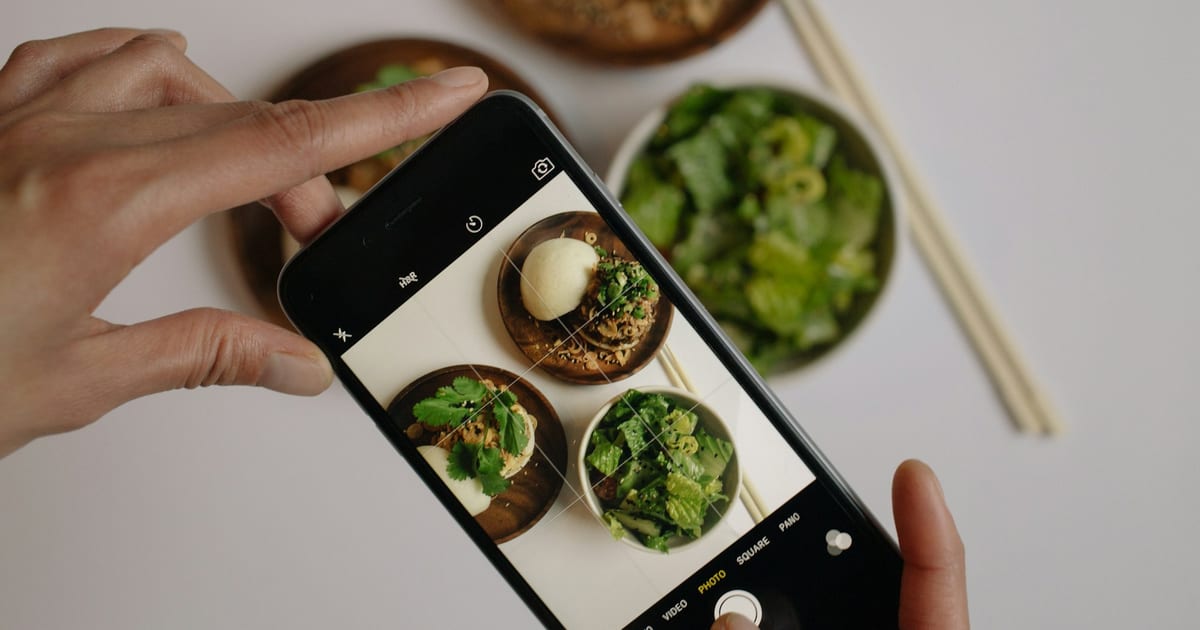
Cal AI is a photo calorie tracker, and its own FAQ says it is “about 80% accurate.” That is a company statement, not a test result. Searching PubMed for “Cal AI” and “CalAI”, we found no published study that tested the app by name.
What we can say comes from research on other photo trackers. In one 2026 study of hospital meals, the three best tools were often within 10 percent on calories. The same study found fat harder, and a different 2026 study found another photo app well below the true total over a full week.
So we can’t tell you Cal AI is accurate, because no independent test exists. We can tell you how to check it against your own results.
Key takeaways
- Cal AI states its own accuracy as “about 80%” and does not say, on that page, how it is measured. We found no independent study of the app itself.
- Research on other photo trackers shows a wide range: close on simple meals, far off on hidden fat and in a full-week test.
- A 20 percent miss on a 600 calorie meal is about 120 calories, roughly a tablespoon of olive oil.
- Consistent errors still show a trend. Errors that keep running low are the ones to watch for.
- The fix is a habit, not a better app: say what the camera can’t see, and correct entries you know are wrong.
What does Cal AI say about its own accuracy?
As of October 24, 2026, the Cal AI FAQ (marked “Last updated July 2026”) answers an accuracy question this way: “CalAI is about 80% accurate. No food tracking app is perfect, and calories and nutrition values can vary.”
It also gives tips: good lighting, food in focus and filling the frame, and an up-to-date app. The Cal AI home page says the app uses your phone’s depth sensor to work out food volume, and that you can also scan a barcode or describe a meal.
That is fair and plain for a company page. It does leave a question open. The page does not say what “80% accurate” means: an average miss of 20 percent, 8 meals in 10 within some range, or something else. Without that, the number is a rough guide, not a spec.
Has anyone tested Cal AI?
We searched PubMed on October 24, 2026 and found no published study that evaluated Cal AI by name. That does not mean none exists. It means we could not find one, so we won’t tell you a percentage that someone else measured.
What exists is research on photo-based tracking as a category. That is worth reading, because photo trackers share the same basic steps: recognize the food, estimate the portion, look up the nutrition. We cover those steps in how AI calorie counters work.
What do studies of other photo trackers show?
Two recent studies give two very different pictures. Neither tested Cal AI, so neither is a score for it.
A controlled test of hospital meals. A March 2026 study in Nutrients (PMID 41901141) photographed 15 standardized hospital meals and weighed the food to get the true values. It compared 10 registered dietitians with 10 AI tools: three general-purpose models and seven specialized dietary apps. Each tool got the photo alone.
Three tools stood out on calories. On meals of about 600 calories, each was off by under 50 calories on average and landed within 10 percent on more than half of the meals.
Across the AI tools, protein and fat were significantly less accurate than calories and carbs. The three top tools overestimated fat by roughly 24 to 30 percent on average.
A full week of real life. A March 2026 study in npj Digital Medicine (PMID 41845048) tested a photo app called SNAQ in 20 adult women living with obesity. For seven days, they logged meals with the app. Researchers compared the totals with doubly labeled water, a lab method that measures how much energy the body actually uses.
The app’s totals came out about 25 percent below the reference (an average gap of 817 calories a day), and agreement for each person was poor.
A 24-hour recall interview did worse, at about 50 percent below. The authors noted that incomplete photo logging may have contributed, and that the study was small. It also used a customized version of the app, and the company behind it was paid to build that version.
Put the two side by side and a pattern shows up:
| Study | Hospital meals | Full week |
|---|---|---|
| Setting | 15 weighed meals, photographed in controlled conditions | 7 days of free-living eating |
| What was checked | Calories and macros per meal | Total daily energy intake |
| Result | Top tools often within 10% on calories | App about 25% low over the week |
| What it suggests | The best tools can do well on visible meals | Incomplete logging may have contributed (the authors’ words) |
The lesson is not that photo tracking fails. A tool can do well on a single meal and still run low over a week. Meals that go unlogged and sauces that go unmentioned could produce that kind of drift, though the study did not measure them.
Is a 20 percent miss a big deal?
It depends on where the miss lands. If you read “about 80% accurate” as a typical error of 20 percent, then on a 600 calorie meal that is about 120 calories. As of October 2026, USDA FoodData Central puts a tablespoon of olive oil at about 119 calories (Oil, olive, salad or cooking, FDC ID 171413).
So the miss is the size of one spoonful of oil. That is the kind of thing a camera can’t see.
An error that is random mostly averages out over days. An error that keeps running in one direction doesn’t. If your tracker runs low on every dressing and cooking oil, the weekly total drifts low. Direction can matter more than size.
What do photo trackers usually get wrong?
Photo trackers tend to miss:
- Oil, butter and dressing. They are dense in calories and nearly invisible. See where photo estimates miss for the numbers.
- Mixed dishes. A curry, a casserole or a burrito bowl hides its ingredients.
- Portion size. A flat photo has to guess volume. Cal AI says its depth sensor aims at this. We found no independent test of that.
- Meals you don’t photograph. Snacks, a bite from someone else’s plate, a second helping.
Photos work best on a plate of distinct foods in good light.
How to check whether Cal AI, or any tracker, works for you
You don’t need a lab. Three checks take a few minutes each:
- Test it on a meal you can weigh. Make a simple meal, weigh the ingredients and add them up with a database like FoodData Central. Photograph it. See how far the app lands from your sum.
- Test it on a meal with oil. Cook something with a measured spoonful of oil and see whether the app asks about it, accounts for it or ignores it.
- Watch the direction over a few weeks. Compare your logged average with how your weight actually trends. If you log a steady amount and the trend disagrees, your log may be running low. Nutrition and weight change for many reasons, so use this as a clue, and talk to a doctor or a registered dietitian if you want personal guidance.
And one habit does more than any of these: say what the camera can’t see. “Cooked in a tablespoon of olive oil” is five words.
Is Cal AI accurate enough to use?
We can’t call it accurate on evidence that does not exist yet. In our view, a photo tracker can still be useful if two things are true. You check it against a meal you can weigh, and you treat the number as an estimate to correct, not a measurement. A log you still keep in month three tells you more than a perfect one you dropped in week two.
If you are choosing between trackers, the better questions are practical. What does it do when it can’t tell? How fast is it to correct an entry? Will you open it on a busy Tuesday?
Tracking is a poor fit for some people
If counting food tends to bring on stress, anxiety or restriction, or you have a history of disordered eating, tracking may do more harm than good. Talk with a doctor or a registered dietitian first.
How does Getfiit handle this?
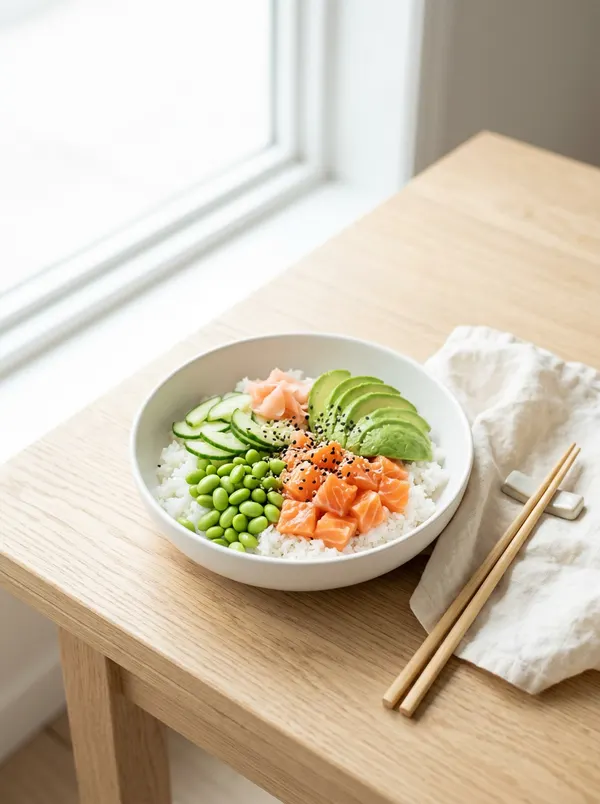
Getfiit is an AI nutrition and fitness coach in WhatsApp. It takes the same kinds of photos and gives back calories and macros, and a camera can’t see oil, so it asks when a photo leaves it open. The exchange below is an illustration of the kind of reply you get, not a measured result:

You can also log by voice note or text, and you can fix or delete any entry from the chat.
There is nothing new to install, because it runs in WhatsApp. As of October 24, 2026, it costs $19.99 a month after a 3-day free trial, and you can cancel anytime. It is an estimate too, and we say so. See how it works on the home page.
Frequently asked questions
How accurate is Cal AI?
The company says “about 80%” on its own FAQ and does not say, on that page, how it measures that. We found no independent study of the app itself, so we can’t give you a tested figure.
Does Cal AI work?
In one 2026 hospital-meal study, the best-performing tools gave close calorie estimates on simple meals. No independent study tested Cal AI itself, so check it against a meal you can weigh before you rely on it.
Is a photo calorie counter accurate enough to track weight?
It can be, if you log most meals and correct what you know is wrong. Errors that stay the same size still show a trend. Errors that keep running low can hide it, so compare your log with how your weight actually changes over several weeks.
Is any calorie counter exact?
No. Food scales, databases, recall interviews and photos all give estimates. In the full-week study above, the interview method was further off than the photo app.
Should I weigh my food too?
Not for tracking to be useful. Weighing a few meals can train your eye, but it is optional. More answers are in the FAQ on the home page.
Your next step
Pick one meal this week, weigh it, and compare. Then log your next meal with one word about the oil or sauce, and treat the number as a draft.
This article is general information, not medical advice. Talk to a doctor or a registered dietitian before changing how you eat, especially if you have a health condition, are pregnant, or have a history of disordered eating.
Log your next meal in five seconds.
Getfiit is an AI nutrition coach that lives in WhatsApp. Send a photo, a voice note, or a text, and it replies with calories, macros, and what to do next.
Start on WhatsApp