Food diary apps: what to look for before you pick one
What a food diary app is for, why people stop logging, and six things to check in your first week before you pay for one, free or not.
On this page
- What is a food diary for?
- Does keeping a food diary work?
- Why do people stop logging?
- How to pick a food diary app in a week
- Step 1: Decide what you want the diary to tell you
- Step 2: Time a normal day of logging
- Step 3: Test it on a meal with no label
- Step 4: Check that short entries are easy
- Step 5: Fix a mistake on purpose
- Step 6: Read the price and the data terms before the trial ends
- Does a simpler app make you log more?
- Is a food diary right for you?
- Where Getfiit fits
- Frequently asked questions
- Where to go from here
The right food diary app is the one you’ll still be using next month. Most people don’t stop because they stop caring. They stop because logging takes too long. So before you compare features, check three things. How fast does an app log your real meals? How does it cope with food that has no label? How easy is it to fix a mistake?
This guide covers what a food diary is for, what research says about why people quit, and six checks to run in your first week with any app. That includes the free ones and the one we make.
Key takeaways
- A food diary helps you see your eating patterns. The NIH suggests keeping one for exactly that reason.
- People drop food logging fast. In one 2019 study, fewer than half were still tracking after week 10 of two 24-week programs.
- Time is the top complaint. In a 2015 US survey, 44.5 percent of people who quit a health app said entering data took too much time.
- Frequent short entries went with better results than long ones. In a 2019 study, people who lost more weight logged in more often, not for longer.
- Pick by speed, not by feature count. Test an app on your own meals for a week before you pay.
What is a food diary for?
A food diary is a running list of what you eat and drink. It’s useful because memory is a poor record. A list shows you when you eat well and when habits slip.
That’s the reason NIH gives. Its National Institute of Diabetes and Digestive and Kidney Diseases suggests keeping “a food and beverage diary that lists everything you consume in a day.” It says the diary “helps you see when you are eating a healthy diet and when you might be slipping into less healthy eating (and drinking) patterns” (NIDDK, Health Tips for Adults, last reviewed September 2020).
The same page is relaxed about format. On apps, it says to “look for apps that best fit your health goals and lifestyle habits.” The format is up to you. What matters is that you keep it.
Does keeping a food diary work?
Keeping one goes together with progress in the research, with caveats. A 2011 systematic review in the Journal of the American Dietetic Association (Burke and colleagues) looked at 22 US weight-loss studies of self-monitoring. It found “a significant association between self-monitoring and weight loss,” consistently. Every study in it that looked at food diaries found that link.
The review called that evidence weak: most samples were mostly White women, and an association isn’t proof the diary caused the change.
If you want a food diary to help, the job is to keep one going. That’s where most people struggle.
Why do people stop logging?
They stop because it takes time, and the drop comes early.
- Time. A 2015 national survey in JMIR mHealth and uHealth (Krebs and Duncan) asked 1,604 US adults about health apps of every kind. Of those who had stopped using one, 44.5 percent said it “takes too much time to enter data.”
- Early drop-off. A 2019 analysis in the Journal of the Academy of Nutrition and Dietetics (Turner-McGrievy and colleagues) followed 124 adults in two 24-week weight-loss trials. They used a calorie app, a wrist-worn bite counter or a photo app. Fewer than half were still tracking after week 10.
- Hard food entry. In a 2018 interview study (Lieffers and colleagues), 24 Canadian adults who had used nutrition apps on their own described the friction: the database, portion sizes and mixed dishes.
In a 2019 study in Obesity (Harvey and colleagues), 142 adults in an online weight program logged food in a web journal over its first 24 weeks. In month one they spent about 23 minutes a day on it. The share who logged nothing at all grew every month.
By month six, about a third had stopped. The ones still logging spent less time on it, about 15 minutes a day.
So the useful question isn’t “which food diary app has the most features”. It’s “which one fits my day well enough that I’ll keep going”.
How to pick a food diary app in a week
Many apps have a free version or a trial, so you can test before you commit. Use your first week to run these six checks on your own meals, not a demo.
Step 1: Decide what you want the diary to tell you
Start with the question you want answered. “Am I eating enough protein?” needs macros. “Do I snack more on stressful days?” needs times and a note on how you felt. NIDDK suggests a diary with a place for the time and your feelings, which “may help you identify your eating triggers.”
If you want every vitamin and mineral, pick an app built for detailed nutrients. Our Cronometer vs MyFitnessPal comparison covers that kind of app. If calories and macros are enough, you have more choice, and speed should decide.
Step 2: Time a normal day of logging
Log everything you eat for one ordinary day and notice how long it takes. This is the most important check: time was the most common reason people gave for quitting a health app.
The Burke review cites one study where new users of a nutrition program took 8 to 10 minutes to enter a meal. If logging a day feels like a chore on day one, that’s a warning sign. In one 2019 analysis, fewer than half were still tracking after week 10.
Step 3: Test it on a meal with no label
Try a homemade stir-fry, a restaurant meal or a plate you shared. Those are the kind of mixed dishes and uncertain portions the Lieffers interviewees struggled with.
See how the app handles it. Does it make you search for each ingredient? Can you describe the meal in plain words, or snap a photo? Any photo or description gives an estimate, and oils and sauces are the usual blind spot (how AI calorie counters work).
Step 4: Check that short entries are easy
Log each meal close to when you eat it, instead of saving the day for bedtime.
In the Harvey study, people who reached 5 percent weight loss logged in about 2.4 times a day in month six, against 1.6 for those who didn’t. Their total minutes were about the same. In the Turner-McGrievy analysis, days with at least two meals or snacks logged were the measure most closely linked to weight change.
Both are associations, not proof. Still, they suggest a good food diary app is one you can open, log a meal in, and close in seconds.
Step 5: Fix a mistake on purpose
Log something wrong, then correct it. You’ll mislog a portion sooner or later, and an app that makes fixes slow teaches you to stop bothering.
Look for a correction you can make in a few taps or a few words. Then check that the day’s totals update.
Step 6: Read the price and the data terms before the trial ends
In the 2015 survey, 36.1 percent of people who had quit a health app named hidden costs. And 29.0 percent disliked the app sharing their data with friends. Check both before your trial turns into a charge.
- Price: what’s free, what’s paid, and when the first charge lands. A free food diary app can be enough if the free version logs the way you like.
- Data: what’s shared, with whom, and whether you can edit or delete your entries.
The six checks at a glance:
| Check | How to test it in your first week | Why it matters |
|---|---|---|
| What it tracks | Match it to your question (macros, nutrients, times, moods) | Extra detail costs time on every meal |
| Speed | Log one full ordinary day and notice the time | Time was the most common reason people gave for quitting a health app |
| Meals with no label | Log a homemade or restaurant meal | Mixed dishes and portions are where entry gets hard |
| Short entries | Log each meal within minutes of eating | Frequent entries tracked with better results in two studies |
| Fixes | Correct a wrong entry | Slow fixes make you stop correcting |
| Price and data | Find the first charge date and the sharing settings | Hidden costs and data sharing put people off |
Does a simpler app make you log more?
Sometimes, but not on its own. An easier format helped in one trial and made no difference in another.
In a 2013 UK pilot trial in J Med Internet Res (Carter and colleagues), 128 adults kept a food diary for six months. They used a smartphone app, a website or paper. The app group logged on 92 days on average, against 35 for the website and 29 for paper, and 64.9 percent called their method convenient, against 35.0 percent for paper.
Logging still declined in all three groups. And in a small 2019 trial (Dunn and colleagues), 41 adults used either a photo app or a calorie-tracking app for six months. The number of days logged didn’t differ between the two, and it was low in both: under 30 percent of days.
An easier format helps, but nothing logs for you on a busy day. That’s why the checks above are about your own meals and your own week.
Is a food diary right for you?
For many people it’s a useful tool. It isn’t for everyone: the Lieffers interviewees named “obsession” among the personal factors in app use.
If you have a history of disordered eating, or logging makes you anxious, an app may not be right for you. Talk to a doctor or a registered dietitian first. If you do keep a diary, NIDDK suggests bringing it to your health care provider and reviewing it together (Health Tips for Older Adults, last reviewed October 2019).
Where Getfiit fits
We make Getfiit, so read this part as our recommendation, not research. Getfiit is a food diary that lives in WhatsApp, so there’s no new app to install. You log a meal by photo, voice note or text, and you get calories, protein, carbs and fat back.
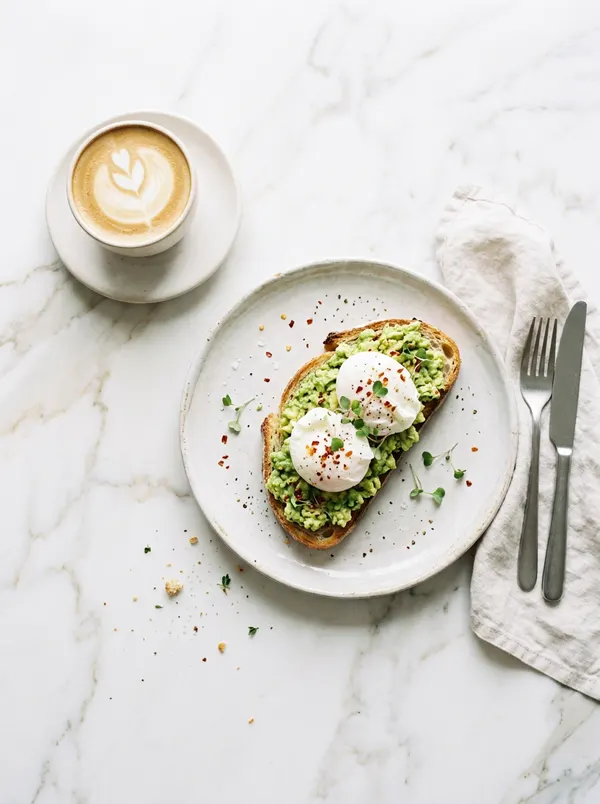
Here’s how it handles those checks. A voice note takes seconds, a meal with no label can be described in plain words, and you can fix any entry with a reply or the Edit button. When a photo leaves something open, like oil or butter, the coach asks before it logs. An illustration:

There’s also a daily check-in at a time you pick. As of October 31, 2026, Getfiit is $19.99 a month after a 3-day free trial. See how it works or the common questions.
Frequently asked questions
Is there a good free food diary app?
Yes, many apps have a free version that logs food. Free tiers vary and change, so check the app’s own pricing page. If the free version is quick for your meals, it may be all you need.
What’s the best food diary app?
It depends on what you want it to tell you. The one that fits your day is the one you’ll keep using, so run the six checks above on two or three apps. Our roundup of MyFitnessPal alternatives compares several.
Is a food journal app different from a calorie counter?
Mostly in emphasis. A food journal app records what and when you ate, sometimes with notes on mood or hunger. A calorie counter adds the numbers. Choose by the question you want answered.
How often should I log?
Log each meal or snack soon after you eat it. In the studies above, more frequent entries went with better results than longer sessions did.
What if I miss a few days?
Nothing breaks. Log your next meal and carry on. A diary with gaps still tells you more than no diary, and logging dropped over time in every trial above.
Where to go from here
Pick one app, free or paid, and run the six checks on your next seven days of meals. If logging a normal day takes more than a few minutes, try a faster method before you give up on the habit.
For how to log the numbers without a food scale, see how to track macros without weighing everything. If you’re leaving a database app, see is MyFitnessPal accurate? for how its numbers hold up.
This article is general information, not medical advice. Talk to a doctor or a registered dietitian before changing how you eat, especially if you have a health condition, are pregnant, or have a history of disordered eating.
Log your next meal in five seconds.
Getfiit is an AI nutrition coach that lives in WhatsApp. Send a photo, a voice note, or a text, and it replies with calories, macros, and what to do next.
Start on WhatsApp